
BLOG
Why GPS Accuracy Is Becoming Critical in Broker-Based NEMT
May 8, 2026
In recent years, broker and Medicaid transportation requirements have continued to evolve — and one of the biggest operational shifts providers are facing today is the growing importance of accurate GPS trip data.
What was once viewed as a helpful operational tool is now becoming a core requirement tied directly to trip validation and reimbursement. Brokers increasingly expect transportation providers to submit reliable location and timestamp data that confirms when drivers arrive, pick up riders, and complete trips.
As these requirements become more strict, even small driver mistakes can create major downstream consequences, including rejected trips, payment delays, or increased scrutiny from brokers.
For NEMT providers, improving GPS accuracy is no longer just about visibility — it is about protecting revenue and ensuring operational compliance.
The Industry Shift Toward GPS-Based Validation
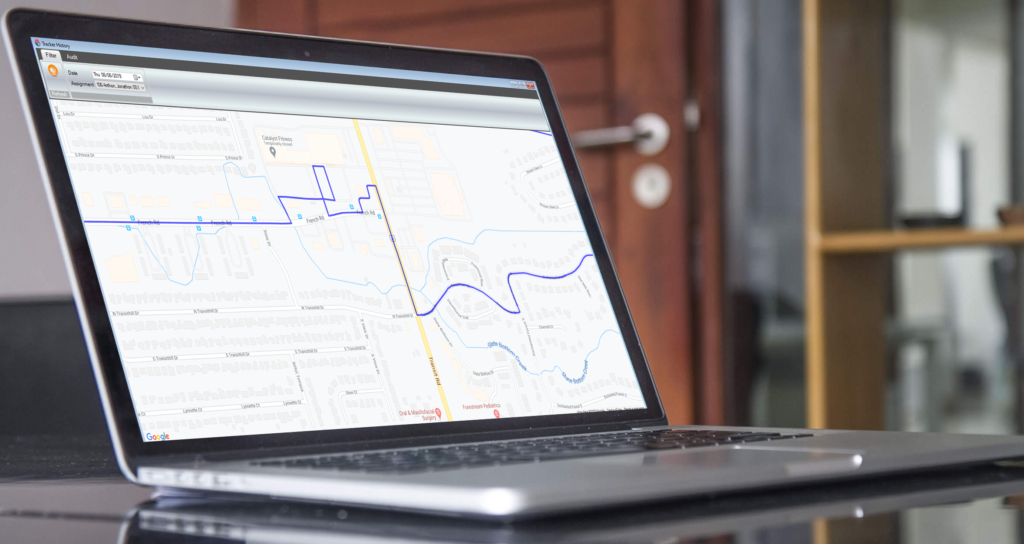
Historically, many transportation providers relied heavily on manual status updates and dispatcher oversight to document trip completion. While those processes worked for years, brokers and Medicaid programs are now placing far greater emphasis on real-time trip verification.
Today, many brokers require:
- GPS-confirmed arrival and pickup timestamps
- Accurate driver status updates tied to location data
- Verification that services were performed at the correct location and time
- Reliable trip records that can withstand audits or compliance reviews
This shift is being driven by several factors:
- Increased oversight of Medicaid transportation spending
- Greater demand for trip transparency and accountability
- Efforts to reduce fraud, waste, and inaccurate billing
- Improved technology capabilities across the industry
As a result, providers are operating in an environment where trip documentation standards are becoming significantly more data-driven than they were in the past.
How Driver Errors Can Impact Compensation
One of the biggest challenges providers face is that GPS accuracy still depends heavily on driver behavior.
Even experienced drivers can forget to update trip statuses at the correct time, accidentally select the wrong status, trigger updates too early or too late and miss required workflow steps during busy periods
While these mistakes are often unintentional, brokers may still interpret missing or inaccurate GPS data as incomplete trip validation.
That can lead to:
- Denied or disputed claims
- Delayed payments
- Additional administrative review
- Increased operational friction between providers and brokers
In some cases, providers may complete the transportation service successfully but still struggle with reimbursement because required GPS documentation was not captured correctly.
This creates a growing operational risk for providers managing high daily trip volume.
Why Real-Time GPS Assistance Matters
As GPS requirements become more detailed, many providers are looking for ways to reduce reliance on manual driver actions alone.
This is where GPS-assisted tools like RoutingBox Driver Assist are becoming increasingly valuable.
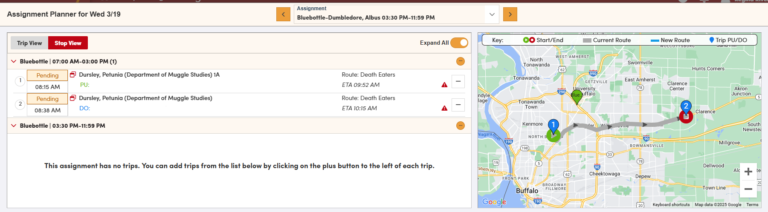
Rather than relying entirely on drivers to remember every status update manually, these tools can monitor driver proximity to pickup and drop-off locations using geofencing technology.
When a driver enters a designated area around a trip location, the system can help prompt or guide the driver through the correct workflow steps needed to capture accurate timestamps and GPS data.
This creates several operational advantages:
- Greater consistency in trip status reporting
- Reduced likelihood of missed or incorrect timestamps
- Improved GPS accuracy tied to actual driver location
- Less risk of driver oversight during busy schedules
Most importantly, these tools help reinforce compliance workflows without adding additional pressure on dispatch teams.
Building More Reliable GPS Workflows
One of the realities of NEMT operations is that drivers are balancing multiple responsibilities throughout the day — navigating traffic, assisting riders, staying on schedule, and adapting to changing trip conditions. In fast-moving environments, even good drivers can make small workflow mistakes that create larger operational issues later.
GPS assistance tools are becoming important because they help create more consistent workflows without slowing drivers down or adding unnecessary complexity.
Instead of relying entirely on memory or manual processes, providers can use technology to help reinforce accurate trip documentation in real time.
This not only helps reduce avoidable errors, but also creates cleaner trip records that better support broker requirements and reimbursement expectations.
As brokers continue placing greater emphasis on GPS-based trip validation, providers who strengthen these workflows now will be in a better position to adapt to future compliance standards, reduce payment disputes, and maintain stronger operational relationships with brokers over time.
Closing Thoughts
The NEMT industry is entering a new phase where accurate GPS documentation is becoming closely tied to operational performance and financial stability.
As brokers place greater emphasis on real-time trip validation, providers can no longer rely entirely on manual processes and perfect driver memory to ensure compliance.
Reducing driver errors, improving GPS accuracy, and capturing reliable trip data are becoming essential parts of protecting revenue and maintaining operational trust.
For providers navigating increasingly strict broker requirements, building stronger GPS-assisted workflows is not just about technology — it is about creating a more reliable and sustainable operation for the future.
Speak to our team today to learn more at routingbox.com
Ready for a Test Drive?
From the beginning, RoutingBox has remained committed to removing barriers for transportation companies attempting to provide access to healthcare and community services. Now, we want to help you.